Skip to content
Home » Southern Vietnam » Saigon

Saigon

fito Museum

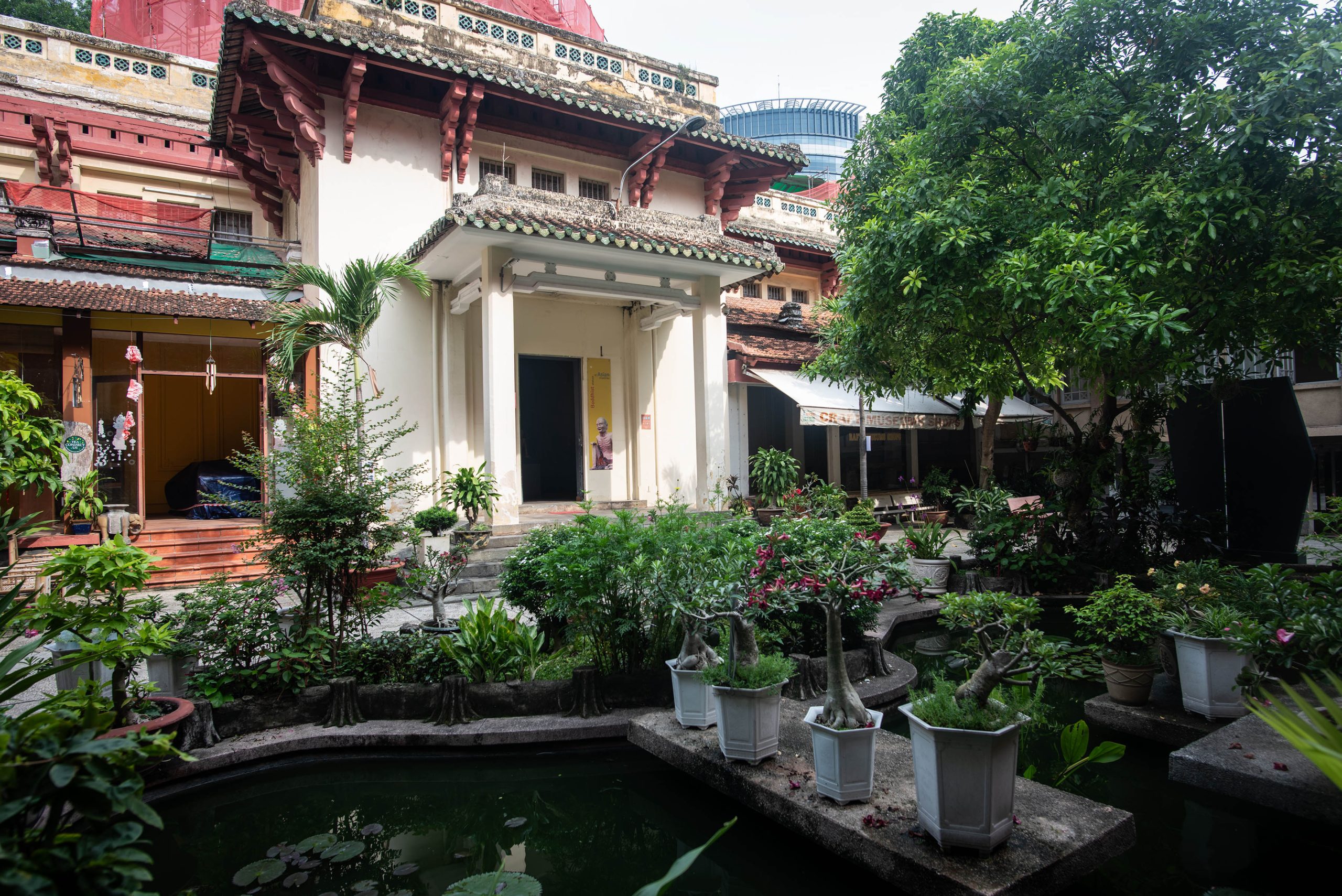
FITO – Museum of Traditional Medicine

The Fito Museum, located at 41 Hoang Du Khuong Street in District 10, Ho Chi Minh City. It’s Vietnam’s first museum dedicated to traditional Vietnamese medicine and pharmacy. Established in 2007, this unique cultural institution preserves and showcases over 3,000 items related to traditional Vietnamese medicinal practices dating back to the Stone Age. The museum ois housed in a restored five-story building designed to reflect… 
Thich Quảng Đức Monument (The Burning Monk)

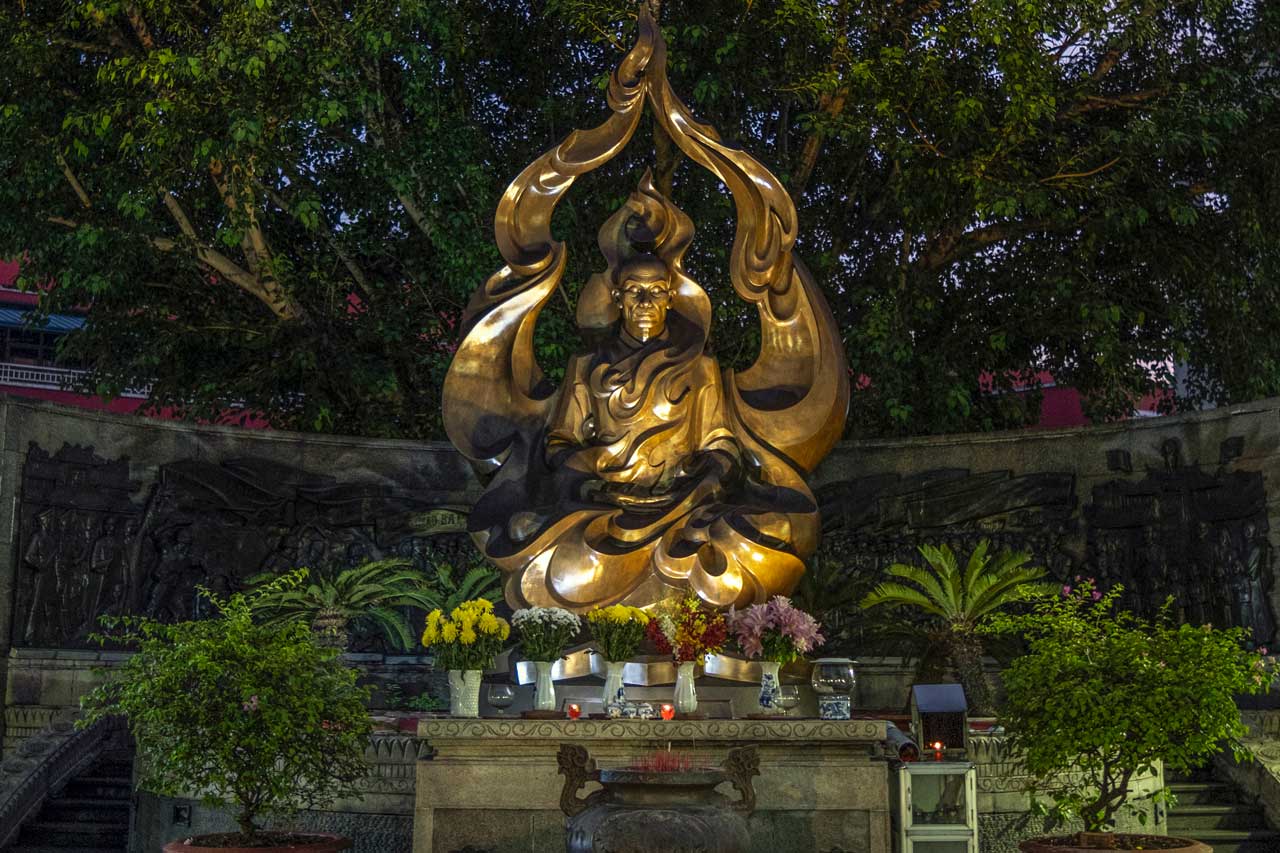
The Thich Quảng Đức Monument marks the exact location where Vietnamese Mahayana Buddhist monk Thich Quảng Đức self-immolated on June 11, 1963, in protest of the South Vietnamese government’s persecution of Buddhists. The famous photograph of his self-immolation, taken by Malcolm Browne, became one of the most influential images of the 20th century and brought global attention to the political situation in Vietnam. The memorial… 

Southern Women’s Museum

The Southern Women’s Museum, located at 202 Vo Thi Sau Street, District 3, Ho Chi Minh City, stands as a representation of the contributions of Vietnamese women throughout history. Established in 1985, this three-story colonial-style building houses extensive collections spanning from the wartime era to modern day, focusing on the role of women in Vietnam’s development. The museum’s exterior reflects French colonial architecture, with its… 

September 23 Park

​23rd September Park (Công viên 23 Tháng 9) is a significant urban green space located in District 1 of Ho Chi Minh City, stretching between Pham Ngu Lao Street and Le Lai Street. The park is approximately 12 hectares and serves as a central recreational area for both locals and tourists. It is located in the northern end of District 1 close to Bui Vien… 

Tao Dan Sculpture Park

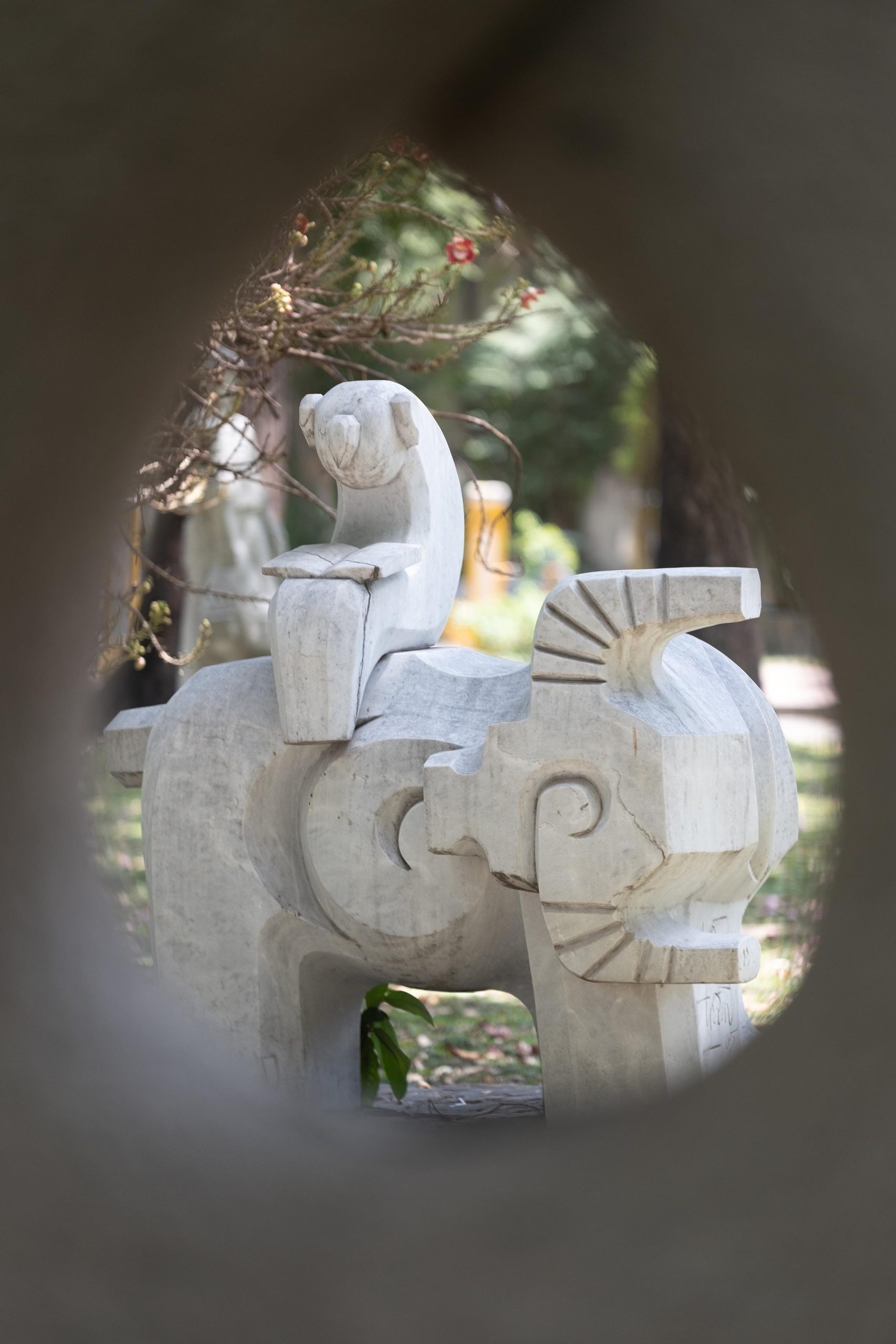
The Tao Dan sculpture park is one of the nicest parks in Saigon. On the weekend it is abuzz of activities with dance clubs, boy scouts and other groups mixed in with the park visitors. Occupying nearly 25 Acres in central Saigon, Tao Dan Park iss one of the city’s oldest and largest green spaces. Established during the French colonial period in the 1860s, the… 

Museum of Vietnam History

The Museum of Vietnam History sis one of Ho Chi Minh City‘s most significant cultural institutions. Originally established in 1929 during the French colonial period, the museum was first known as the Blanchard de la Brosse Museum and later renamed after Vietnam gained independence. Inside, the museum spans two floors and houses over 40,000 artifacts arranged chronologically across 18 exhibition rooms. The ground floor covers Vietnam’s… 

War Remnants Museum — Saigon

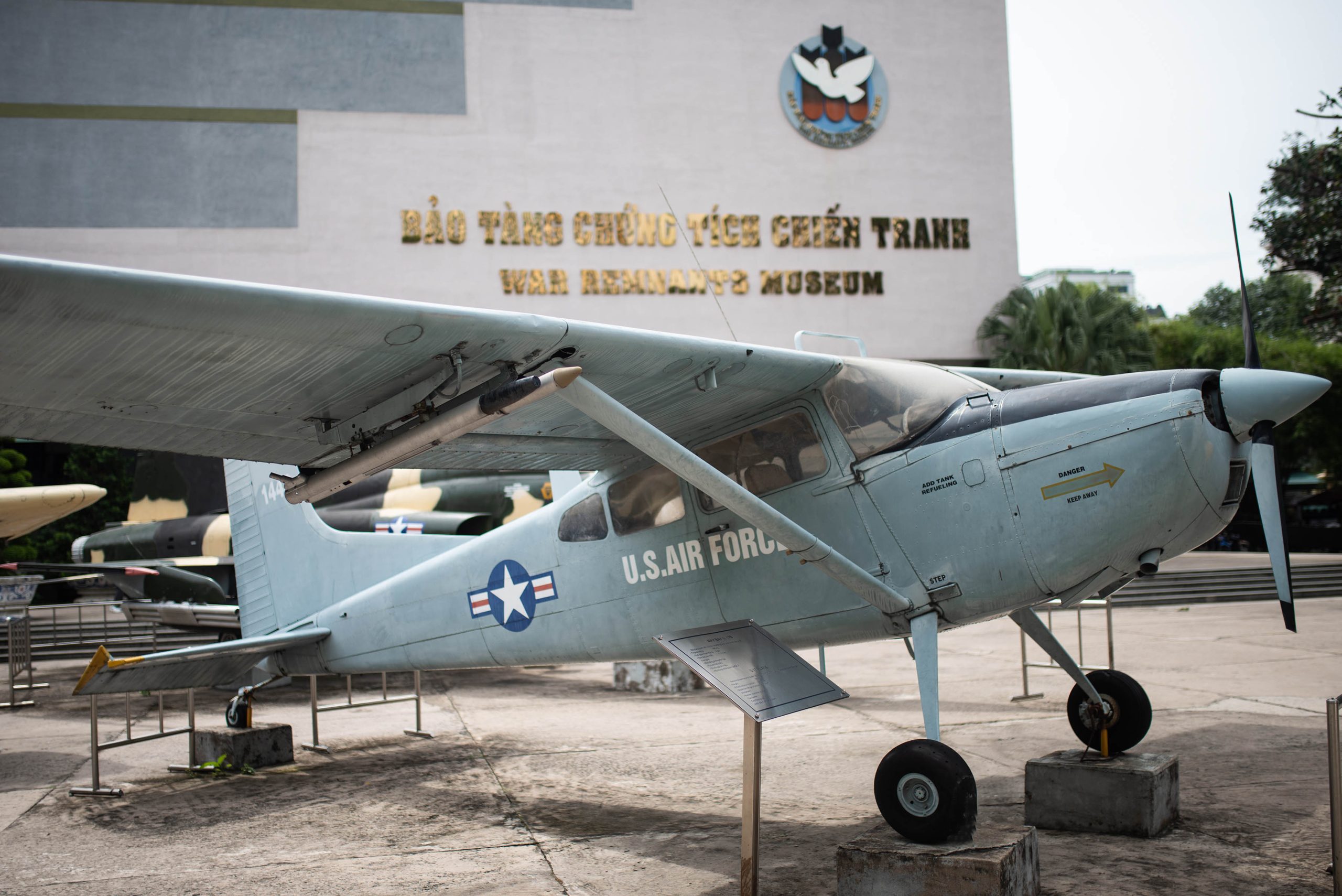
The War Remnants Museum stands as one of Ho Chi Minh City‘s most visited museums, documenting the effects of the Vietnam War through photographs, artifacts, and military equipment. Originally opened in 1975 as the “Exhibition House for US and Puppet Crimes,” the museum was renamed the War Remnants Museum in 1995. The museum spans three floors and features multiple exhibition rooms containing powerful war photography,… 

Reunification Palace

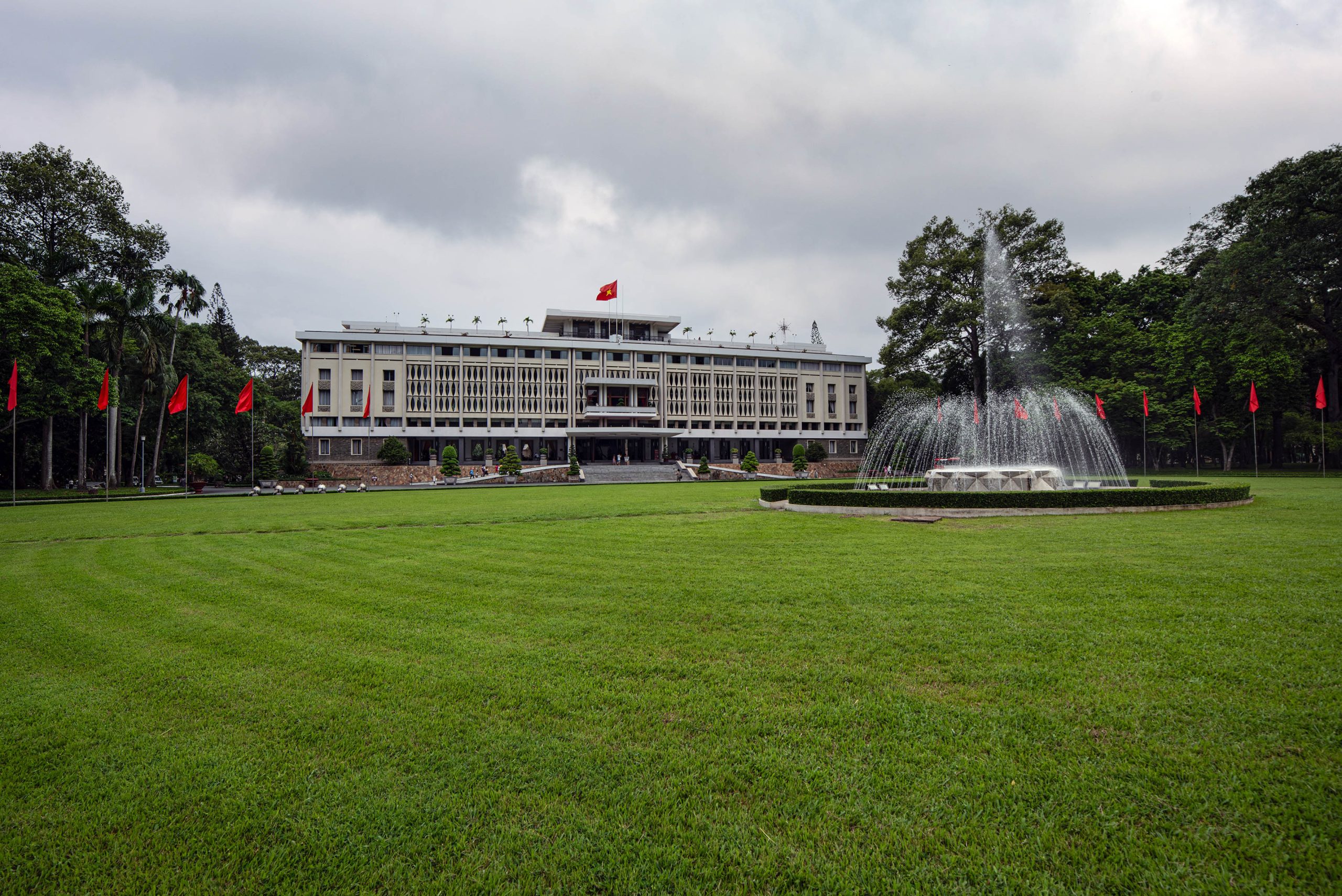
​The Reunification Palace (Dinh Độc Lập), located at 135 Nam Ky Khoi Nghia Street, District 1, Ho Chi Minh City, stands as one of Vietnam’s most significant historical landmarks. This modernist structure, completed in 1966, represents a pivotal moment in Vietnamese history when North Vietnamese tanks crashed through its gates on April 30, 1975, marking the end of the Vietnam War. Originally built between 1962… 

Book Street — Saigon

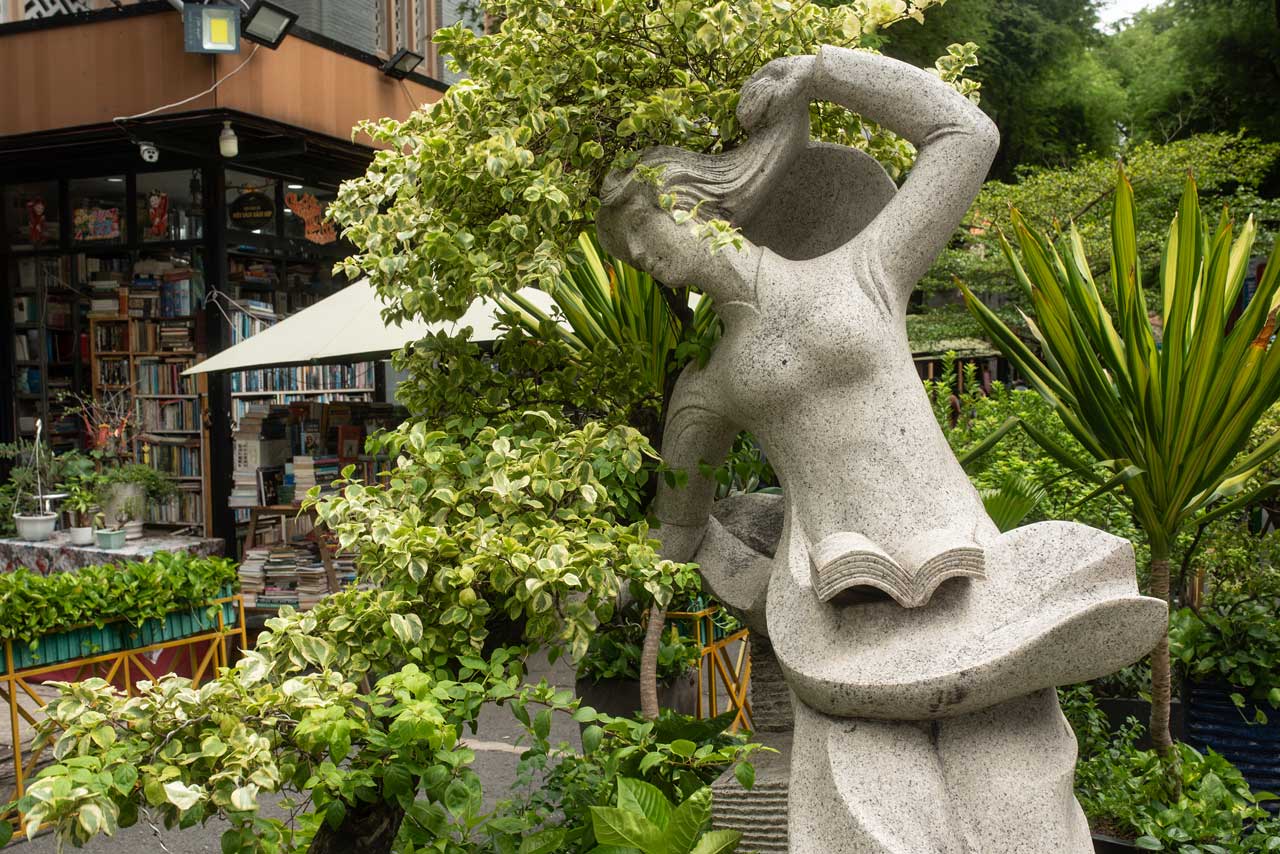
Nguyen Van Binh Book Street, commonly known as Saigon Book Street, is a 100-meter pedestrian-only street located in District 1, Ho Chi Minh City, between the historic Central Post Office and the People’s Committee Building. The end of the street opens onto the side of Notre Dame Cathedral, A great place to spend a few hours with the 20+ bookstores and cafes. There is even… 

Buu Long Pagoda — Saigon

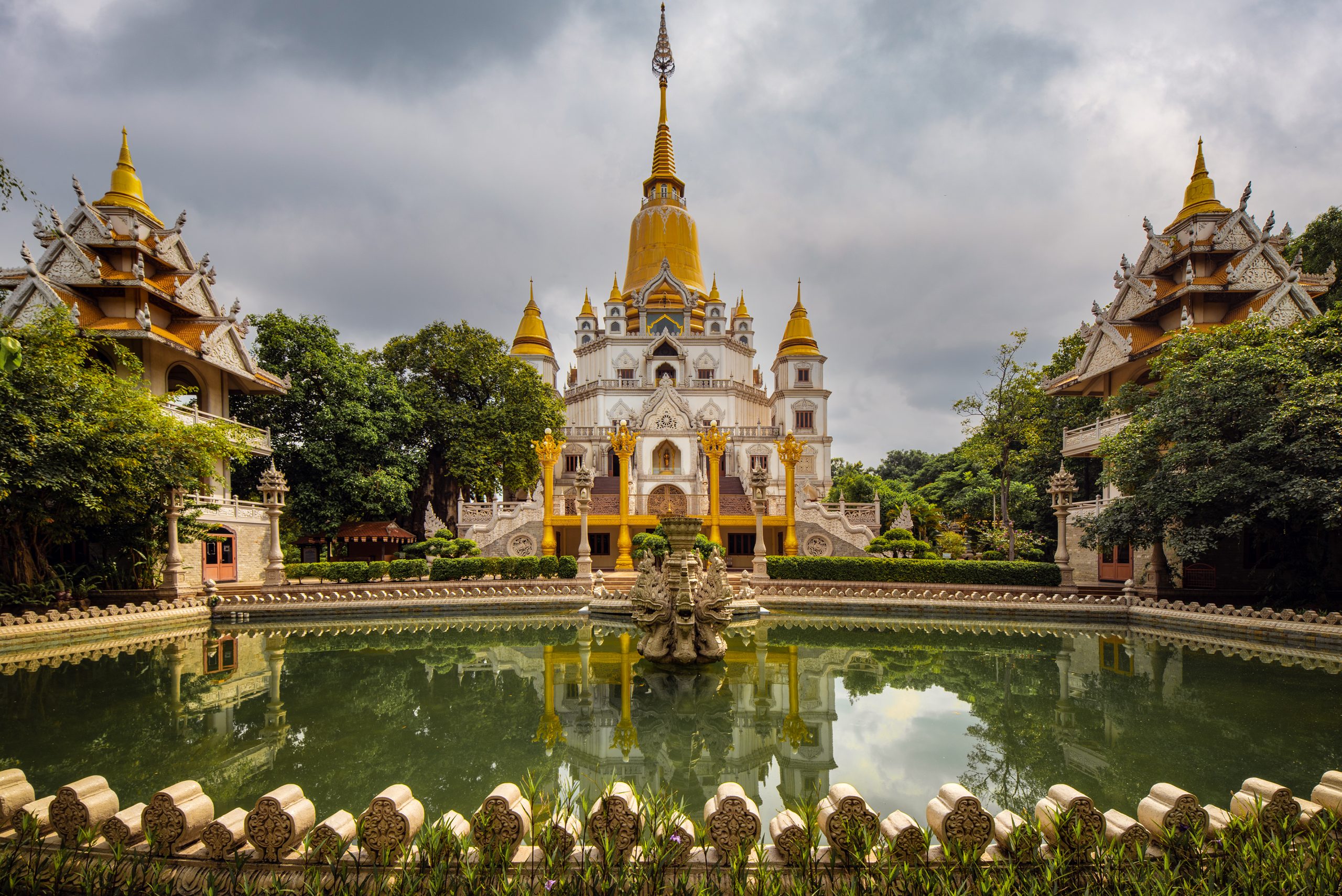
​Buu Long Temple (Thiền viện Bửu Long) stands as one of Ho Chi Minh City’s most striking Buddhist structures, located at 81 Nguyen Xieng, Long Binh Ward, District 9. The temple complex rises majestically from the landscape, combining traditional Vietnamese architecture with distinct Thai and Burmese influences. It is a bit away from central Saigon but worth the effort. Constructed in 1942 by Master Thich…