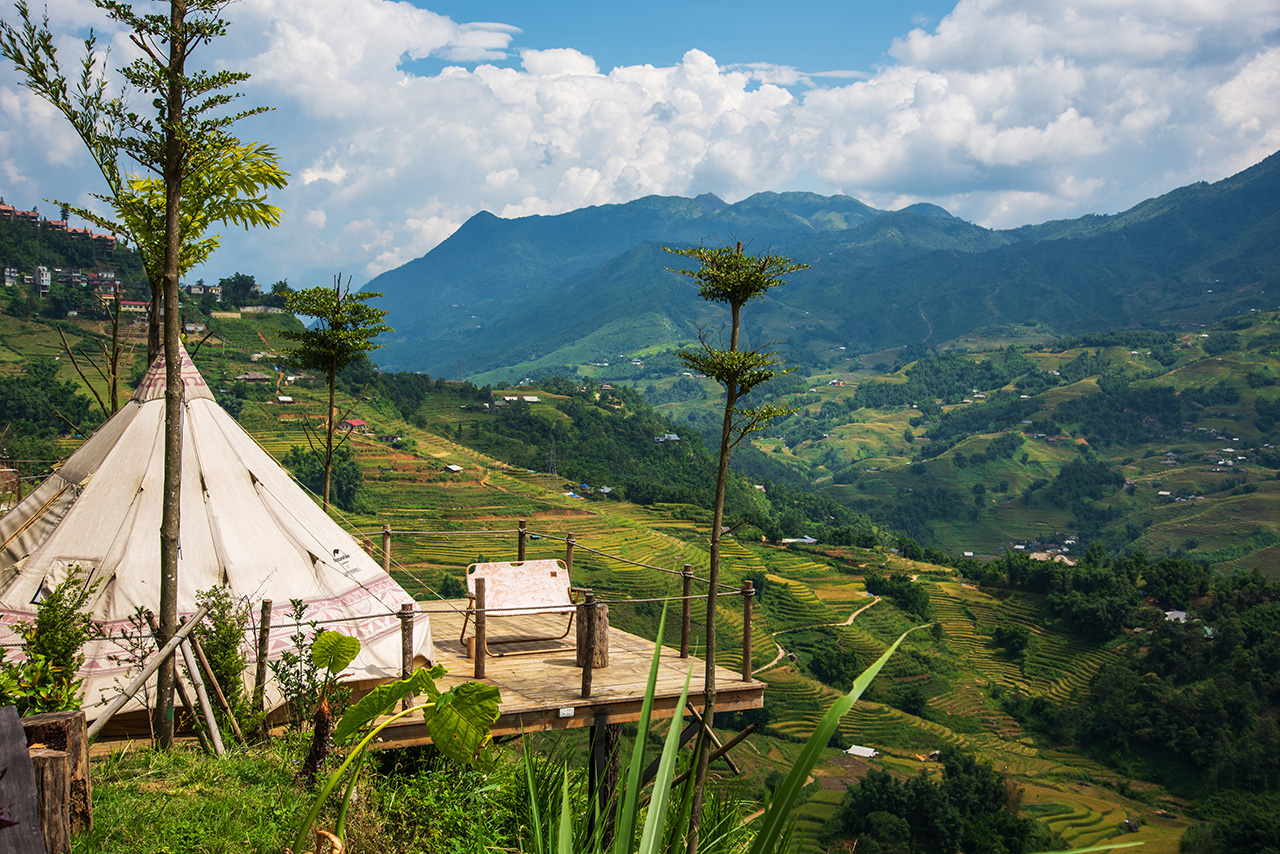
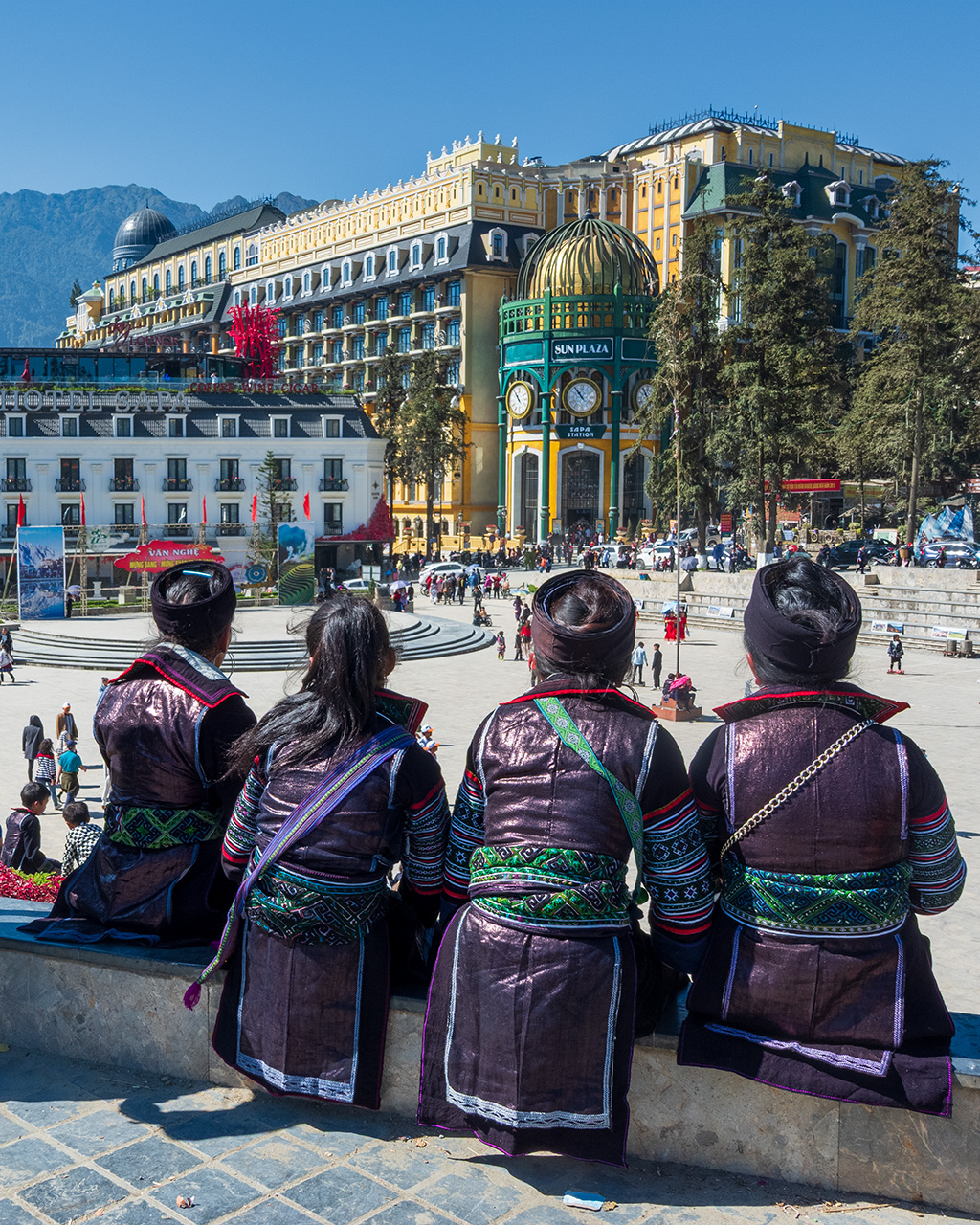
Sapa is one of Vietnam’s best-known destinations for trekking and photography, but the most interesting photographic opportunities are outside Sapa city. The greater Sapa region stretches from the remote valleys around Nam Cang in the south to Muong Hum and Y Ty near the Chinese border in the north. Between them are rice terraces, mountain landscapes, ethnic minority villages, markets, and some of the best trekking in northern Vietnam. For photographers, the greater Sapa area is full of wonderful opportunities.
Where to Stay in Sapa
Rather than staying in Sapa city, visit one of the more authentic outer areas. From south to north they include:
- Nam Cang — my favorite; remote, authentic, and the earliest rice season.
- Ban Ho — quieter than central Sapa with good access and excellent rice terraces.
- Muong Hoa Valley villages — the best combination of trekking, terraces, accommodation, and easy access from Sapa city.
- Muong Hum — useful base for Y TY and the remote north and its excellent weekend market.
- Y Ty — wild, remote mountain landscapes near the Chinese border; check current access restrictions planning an overnight.
My favorite areas in the Sapa region are the two extremes — the far south and the far north. n the south, the Sapa region starts around Nam Cang, my favorite area in Sapa. It is remote enough to still have a wild feel about it. You are likely to be the only tourist in the area. One thing to note about Nam Cang and the surrounding areas of Muong Bo is that the rice season starts and ends a full month earlier here, with the harvest often completed by the end of August.
Moving up from Nam Cang is Ban Ho or what I call the Topas area. It is anchored by what is often considered the nicest hotel in the Sapa area, the Topas Eco Lodge. The boutique resort has a very large rice field to its west. Like Nam Cang, come early for the golden rice time, late August to early September is the best time. Heading north from here you enter the better-known areas south of Sapa city like Ta Van and Y Linh Ho. All have some special spots worth checking out, but they are becoming increasingly commercial. The advantage is they are easily reached from Sapa city as a day trip should you base yourself there.
Past Ban Ho you have some great locations in and around the Muong Hoa Valley. These include Ta Van, Y Linh Ho, Lao Chai and other villages. You can spend weeks exploring this area with accommodations ranging from the simplest of homestays to luxury eco lodges. Many are fairly close to the main road, DT152, so you have good access to Sapa city for dining, spas, and other services. Some of these areas, like Ta Van, are getting quite commercial but you can easily seek out a remote traditional homestay for an authentic local experience.
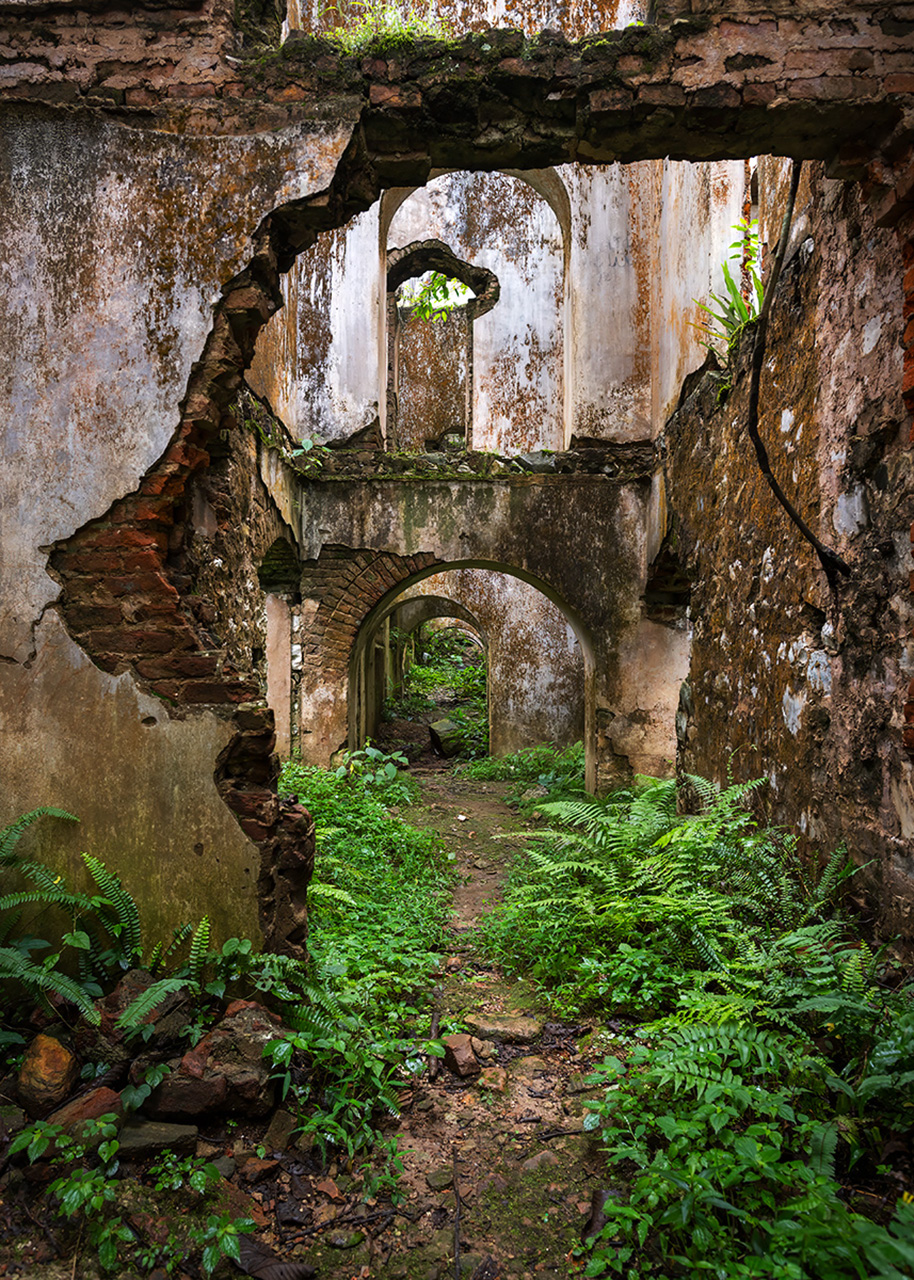
North of Sapa you have Ta Phin. I’ve never clicked with this area as a photographer though the ancient French Church ruins are worth a visit. Head an hour or so north of Sapa and it again gets wilder and there are fewer tourists. The next big area is Muong Hum. It is a funny little town with few services, but it has a lively weekend market and a decent hotel to base yourself for the remote area of Dền Sáng and on to Y Ty. Y Ty is in a sensitive border area, and restrictions for foreign visitors can change. On my visits, foreigners have needed permission to stay overnight, and at times, a guide has also been required. Check the current requirements before planning an overnight stay. Permits can take a week or so to obtain from the immigration office in Lao Cai.
Staying in Muong Hum solves the permit problem and it is worth the effort if you have not been but now the roads are much better between Muong Hum and Y Ty and there are many worthwhile spots to photograph in places like Dền Sáng on the way.
The furthest reach of Sapa is Y Ty, a large area, very remote, with few services. Best to travel at least in pairs as the motorcycle repair shops are much further apart than most of the region. Definitely take in the Saturday market if you can arrange to be in Muong Hum or Y Ty on a Friday night. It is one of the best markets in the region and not geared towards tourists like Bac Ha, etc.
After you explore the furthest reaches of Y Ty, you need to turn back to Sapa or Lao Cai as you are at the border with China.
Weekend Markets in Sapa
The best weekend market for me is in Y Ty. It is a “real” market buying and selling goods among the locals. Markets are also a social events with many in their best outfits coming to see old friends and make new ones. Muong Hum also has a Sunday market if you are using it as a base for Y Ty. TPopular markets such as Bac Ha now attract large numbers of tourists. They still offer excellent photographic opportunities and remain important regional markets, but the experience is very different from smaller markets such as Y Ty. Get to the markets early, particularly the Bac Ha market where busloads of tourists arrive from Sapa on day trips around 8:00am. I tend to bring the 135mm f/1.8 and 24-120 f/4. The 135 lets me keep a distance for portraits and the zoom is a great all around lens for market scenes and environmental portraits.
Getting around Sapa
Don’t underestimate the distances in the greater Sapa region. Nam Cang, Muong Hoa Valley, Muong Hum, and Y Ty are better treated as separate photography bases rather than day trips from Sapa city. A motorcycle gives you the most flexibility, but mountain roads can be slow and conditions deteriorate quickly in rain or fog. If you are hiring a car and driver, consider moving accommodations as you travel through the region rather than returning to Sapa each night. Generally, add 50% to Google map time estimates.
Best time to visit
Sapa in general plants and harvests before Mu Cang Chai or Hoang Su Phi. It actually makes it difficult for me as someone who tries to visit each region during one long trip. Add to that my favorite area in Sapa, Nam Cang plants weeks before the rest of Sapa. For Nam Cang the water pouring time is late May to early June and the harvest is over by mid August. Ban Ho is a few weeks after Nam Cang. The rest of Sapa is harvesting through September with times varying year to year by area. But October is likely a miss accept for some isolated areas.
| Area | Water-pouring season | Typical harvest |
|---|---|---|
| Nam Cang | Late May–early June | Mid/late August |
| Ban Ho | Slightly later | Late August–early September |
| Muong Hoa Valley | June | September |
| Muong Hum / Y Ty | June | September into early October |
Photographic Tips
I find I use my ulta-wide a bit less in the Sapa rice fields and a 20mm is a good choice for my widest needs. I also like the sunstars I get from my f/1.8 20mm lens and use that in bamboo forest or of the sun setting behind the mountains. I have used my medium telephoto quite a bit with valley views and mountain ranges benefitting from the compression. Sapa’s layered mountains, mist and terraces are exactly where a telephoto can produce photographs that differ from the ubiquitous ultra-wide rice-terrace image. I stick with a lightweight variable f/stop lens since I am trekking or traveling by motorcycle. Portrait opportunities are everywhere in Sapa and I often do pay the weight premium of a 135 f/1.8 though if I know I will be doing a lot of hiking, the 85mm f/1.8 gets the job done.
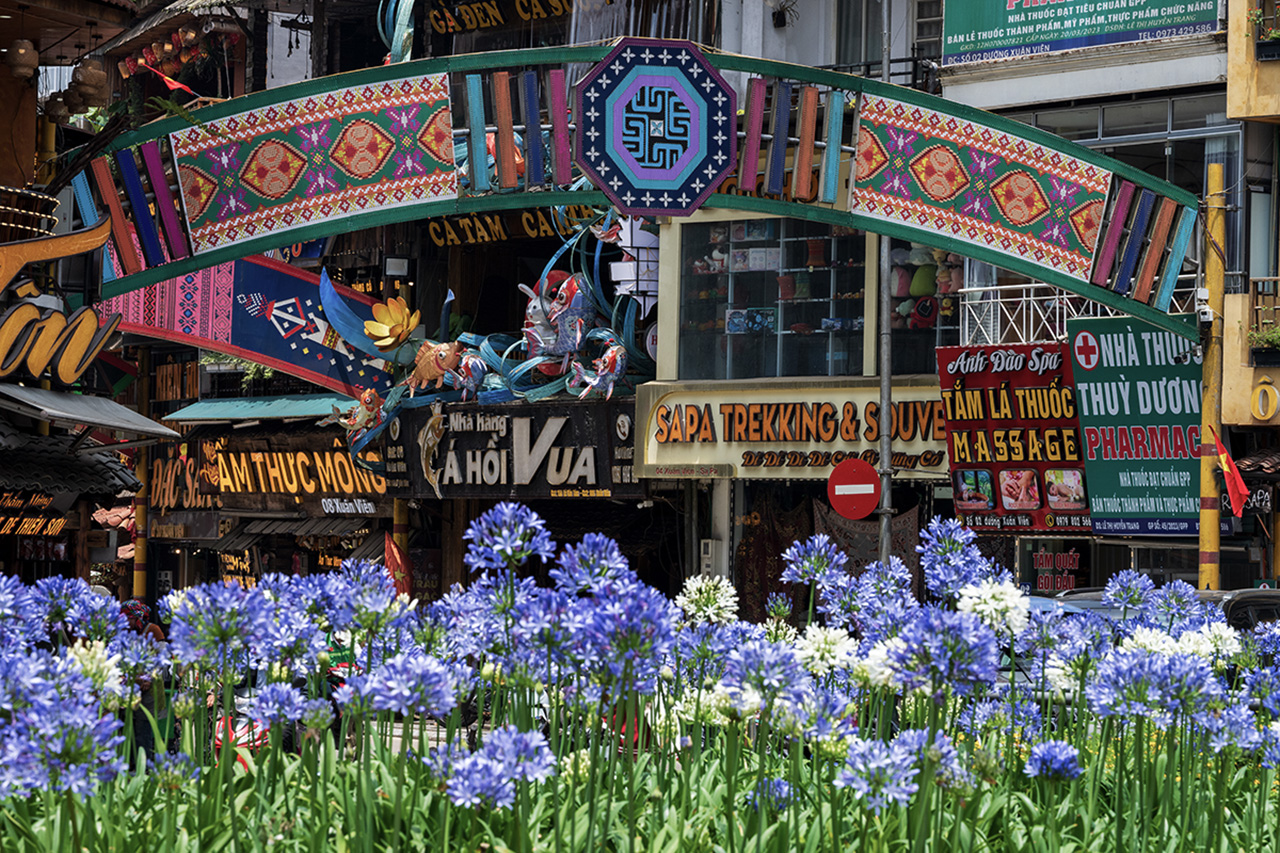
I don’t mean to ignore Sapa city. There is a lot to do there and if you are traveling with non-photographers it may make sense to spend part of your time there. You have Fansipan Mountain, Cat Cat tourist village, Moana’s Instagrammable spot, and lots of great dining, shopping, and spa services. But if you’re a landscape photographer, get out of Sapa to one of these remote areas. If you can visit either Nam Cang or Y Ty, it is an experience you won’t forget.