Ben Thanh Market stands as one of Ho Chi Minh City‘s most iconic landmarks, located at Le Loi Boulevard, District 1, Ho Chi Minh City, Vietnam. Operating from 6:00 AM to 10:30 PM daily, with the night market running from 6:00 PM to 10:30 PM, this historic marketplace has been a commercial hub since the early 17th century.
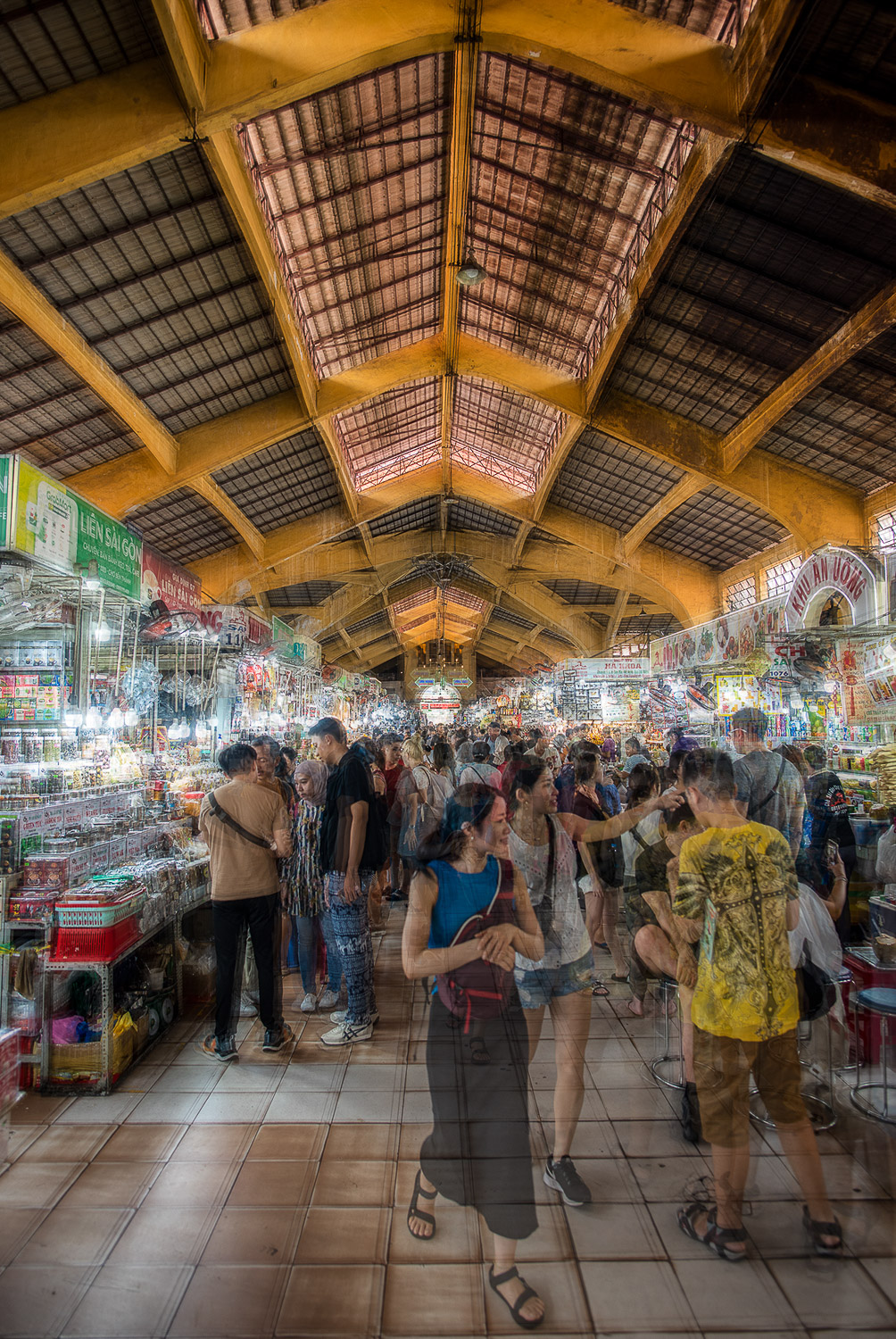
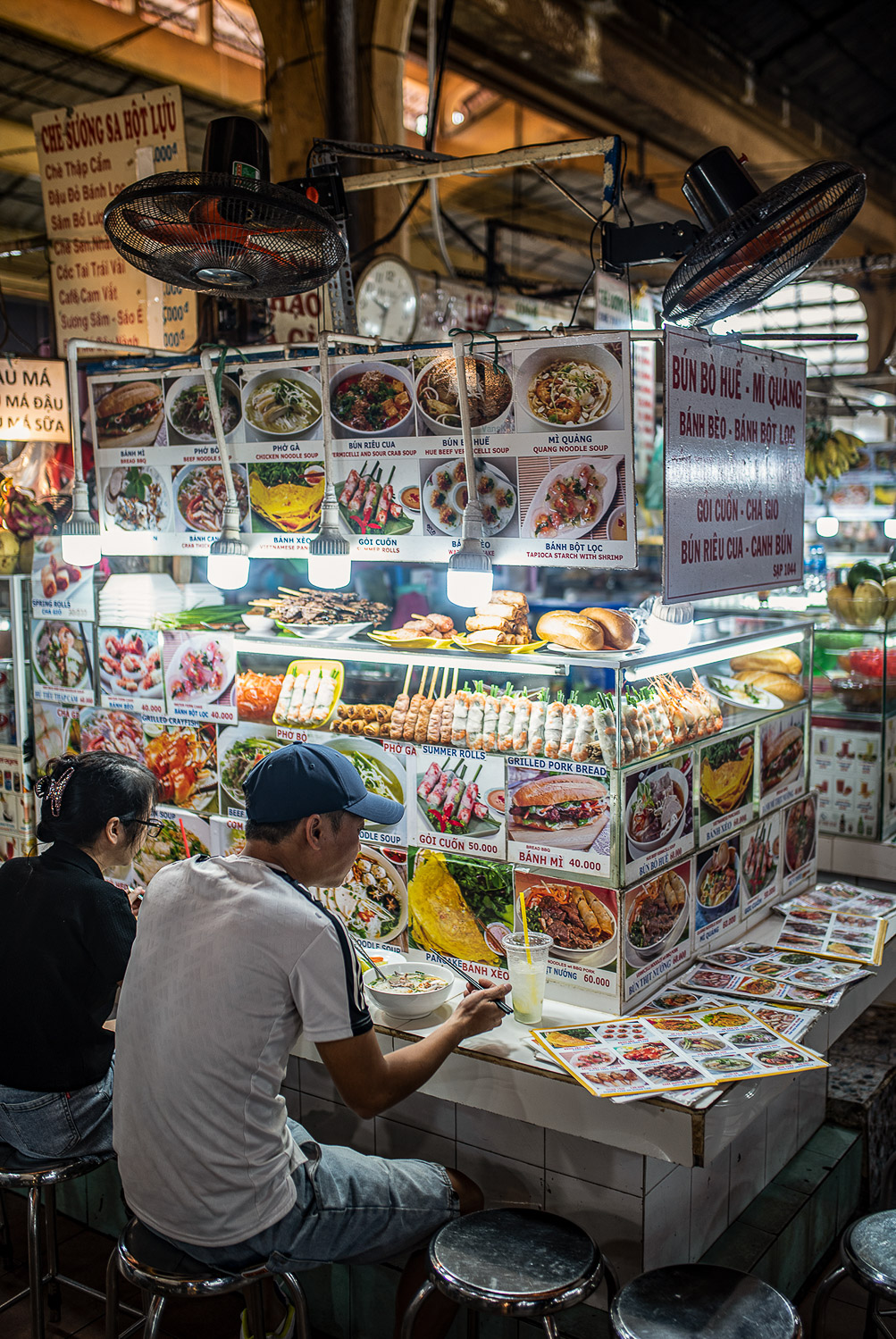
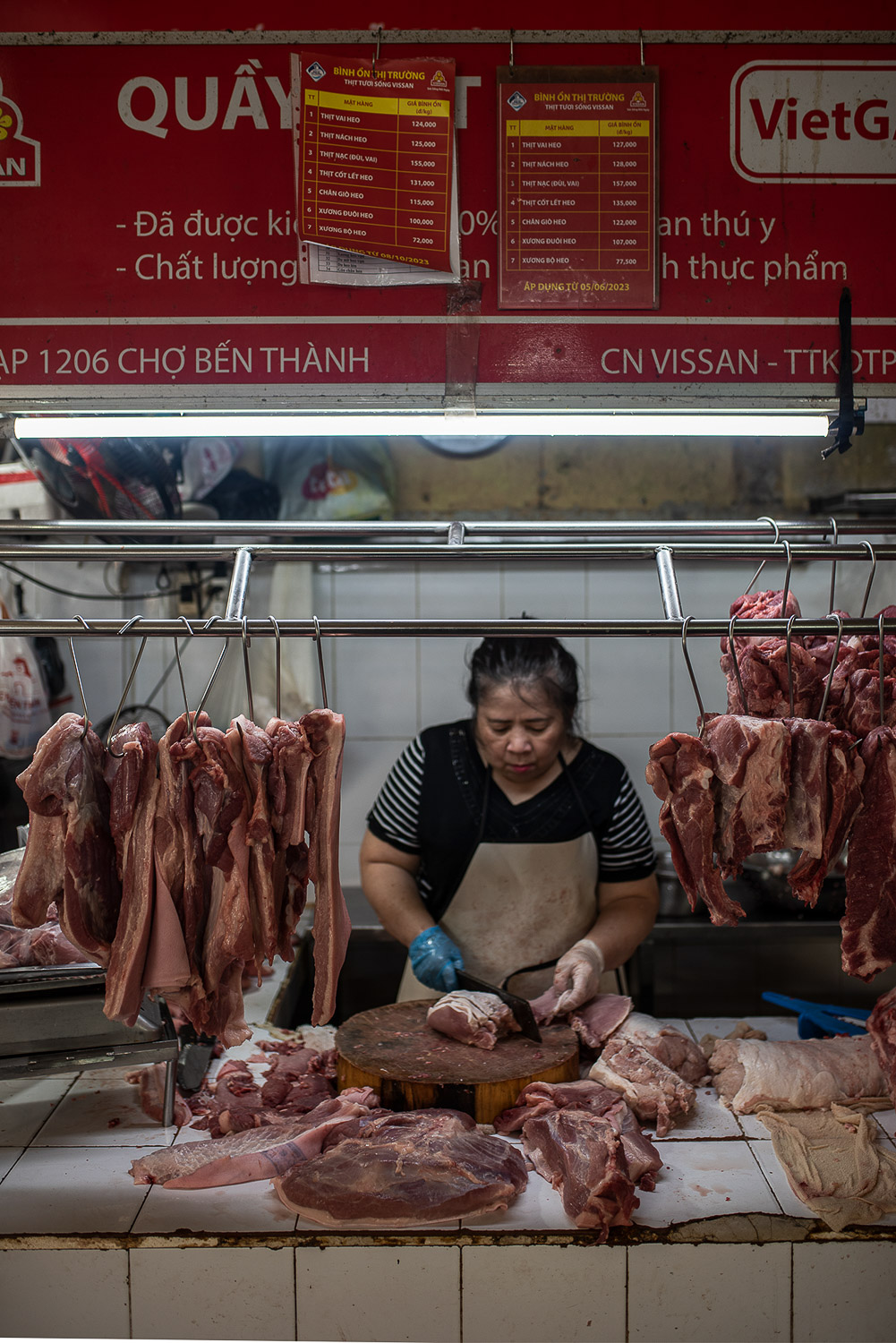
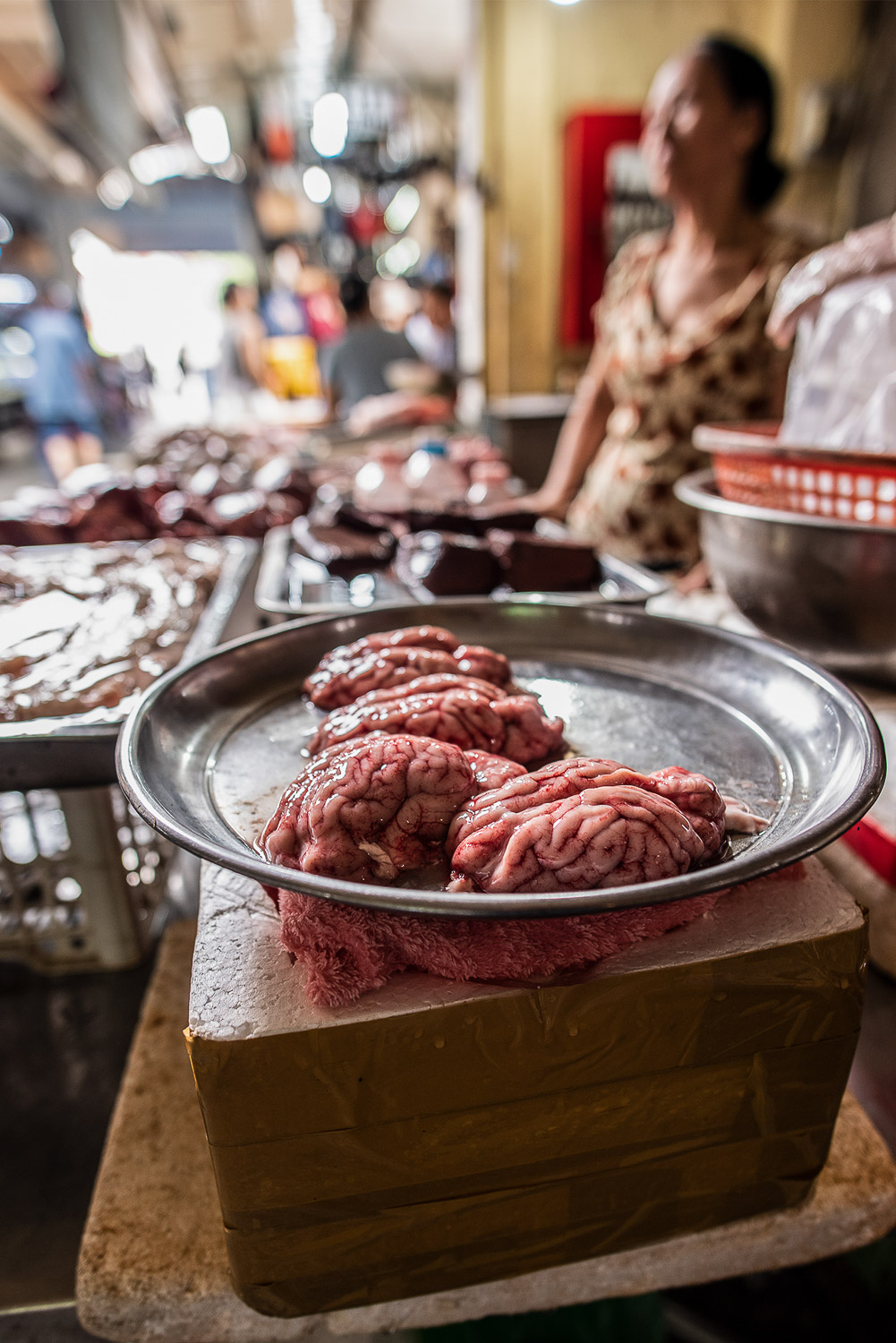
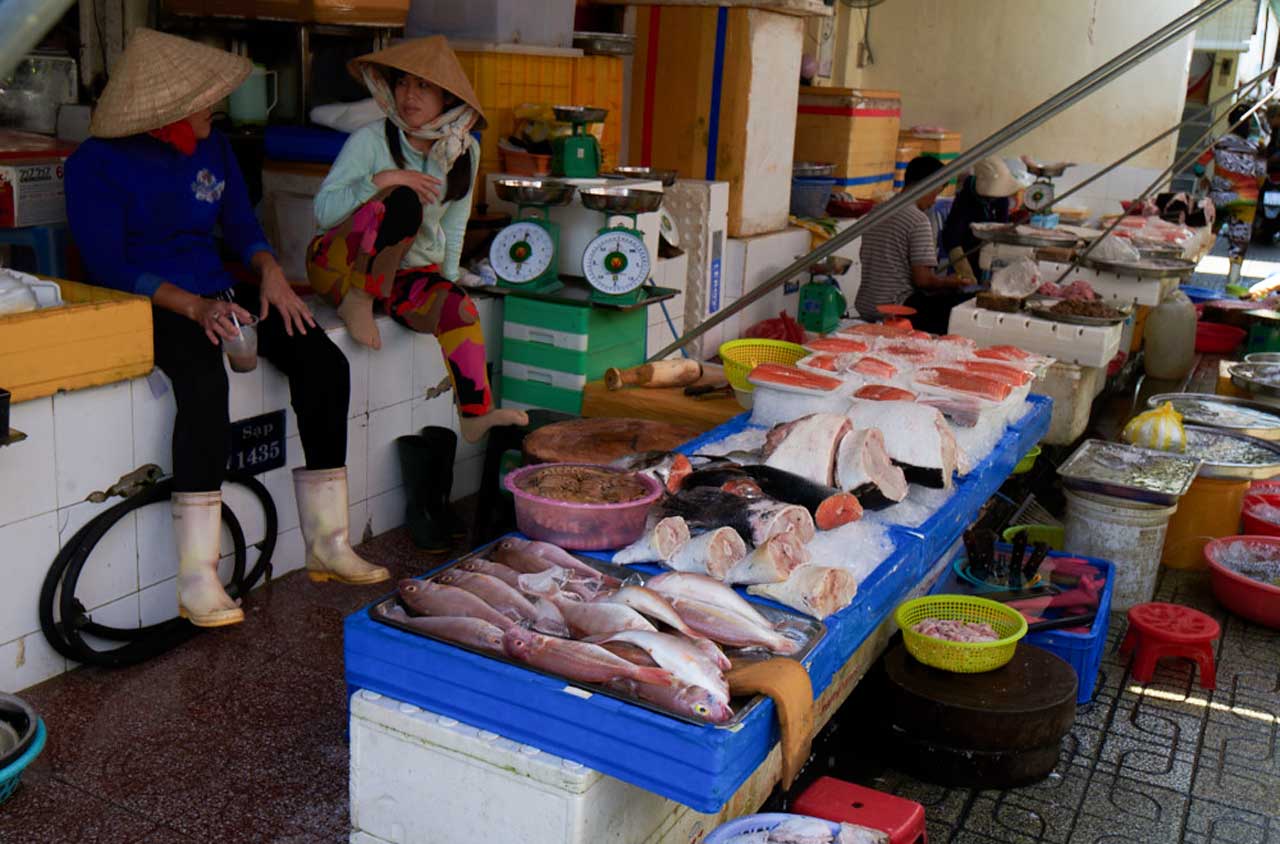
It is also the largest tourist market in Saigon. There is an energy here worth trying to capture. You can find most anything here from knock-off watches to western clothes. There is even a quite nice food court and wet market. This is the home of haggling for merchandise so expect the first price offered to be at least 2 times the actual value (the price for food however is not negotiated). Frankly, I rarely buy things here as it is just too much hassle but if you love to bargain, go for it. They do have larger western sized clothes, and you can find lots of Vietnamese household goods.
Originally established in 1914 by the French colonial authorities, the market was relocated from its initial site near the Ben Nghe river to its current position. The distinctive clock tower, which rises above the main entrance, has become a symbol of the city and serves as a popular meeting point for locals and tourists alike.
The market’s architecture reflects French colonial influence, with its robust yellow facade and distinctive octagonal clock tower. The building’s structure features a unique combination of French and Asian architectural elements, including high ceilings, large archways, and intricate ironwork.
Four main gates face the cardinal directions, with the southern entrance serving as the primary point of entry. The roof structure employs a system of steel trusses that allows for spacious, column-free interior spaces, while providing natural ventilation through strategic openings.
Inside, Ben Thanh Market spans approximately 13,000 square meters divided into distinct sections. The interior layout follows a grid pattern with multiple narrow aisles intersecting throughout the space. The market contains over 3,000 stalls arranged in specialized zones: textiles and clothing in the western section, dry goods and housewares in the eastern area, fresh produce in the northern section, and prepared foods in the central region.
The market’s interior features high ceilings with industrial fans, creating air circulation throughout the space. Natural light filters through clerestory windows and the semi-transparent roof panels, supplemented by fluorescent lighting.
The floor is finished with traditional tiles that have weathered decades of foot traffic, while overhead, a complex network of electrical wiring and vintage signage creates a characteristic canopy.
Distinctive features include the central food court, where visitors can sample traditional Vietnamese dishes at communal tables. The market’s corners house small Buddhist shrines where vendors make daily offerings, adding a spiritual element to the commercial space. The original cast iron support columns, dating from the French colonial period, remain visible throughout the structure.
A notable architectural element is the market’s drainage system, designed to handle Ho Chi Minh City’s frequent heavy rains. The sloped floors and strategic placement of drainage channels help prevent flooding during the monsoon season. The building’s orientation and numerous entrances facilitate natural airflow, an essential feature in the city’s tropical climate.
The night market, which operates after the main market closes, transforms the surrounding streets into an open-air bazaar. Temporary stalls with distinctive red and blue tarps extend from the main building, creating additional shopping areas illuminated by strings of lights and lanterns.
Recent renovations have preserved the market’s historical character while modernizing essential facilities. These improvements include updated restroom facilities, enhanced fire safety systems, and reinforced structural elements, though the original architectural integrity remains intact.
Storage areas and loading zones are situated at the rear of the market, accessible via service entrances on Phan Chu Trinh Street. These areas become particularly active in the early morning hours when vendors receive fresh produce and supplies for the day’s trading.
The market’s immediate surroundings feature a plaza with benches and trees, providing respite from the lively interior. The intersection where Ben Thanh sits serves as a major transportation hub, with numerous bus routes converging at this point and a metro station under construction as part of Ho Chi Minh City’s urban development plans.