Beside the Zoo in District 1 there is a small but lovely museum devoted to Vietnam history. Like many of the museums in Vietnam they have a policy of charging photographers with SLR or other larger cameras. Your Iphone is fine as is likely a smaller camera, even a Leica.
The Museum of Vietnam History stands as one of Ho Chi Minh City‘s most significant cultural institutions, located at 2 Nguyen Binh Khiem Street, Ben Nghe Ward, District 1. Originally established in 1929 during the French colonial period, the museum was first known as the Blanchard de la Brosse Museum and later renamed after Vietnam gained independence.
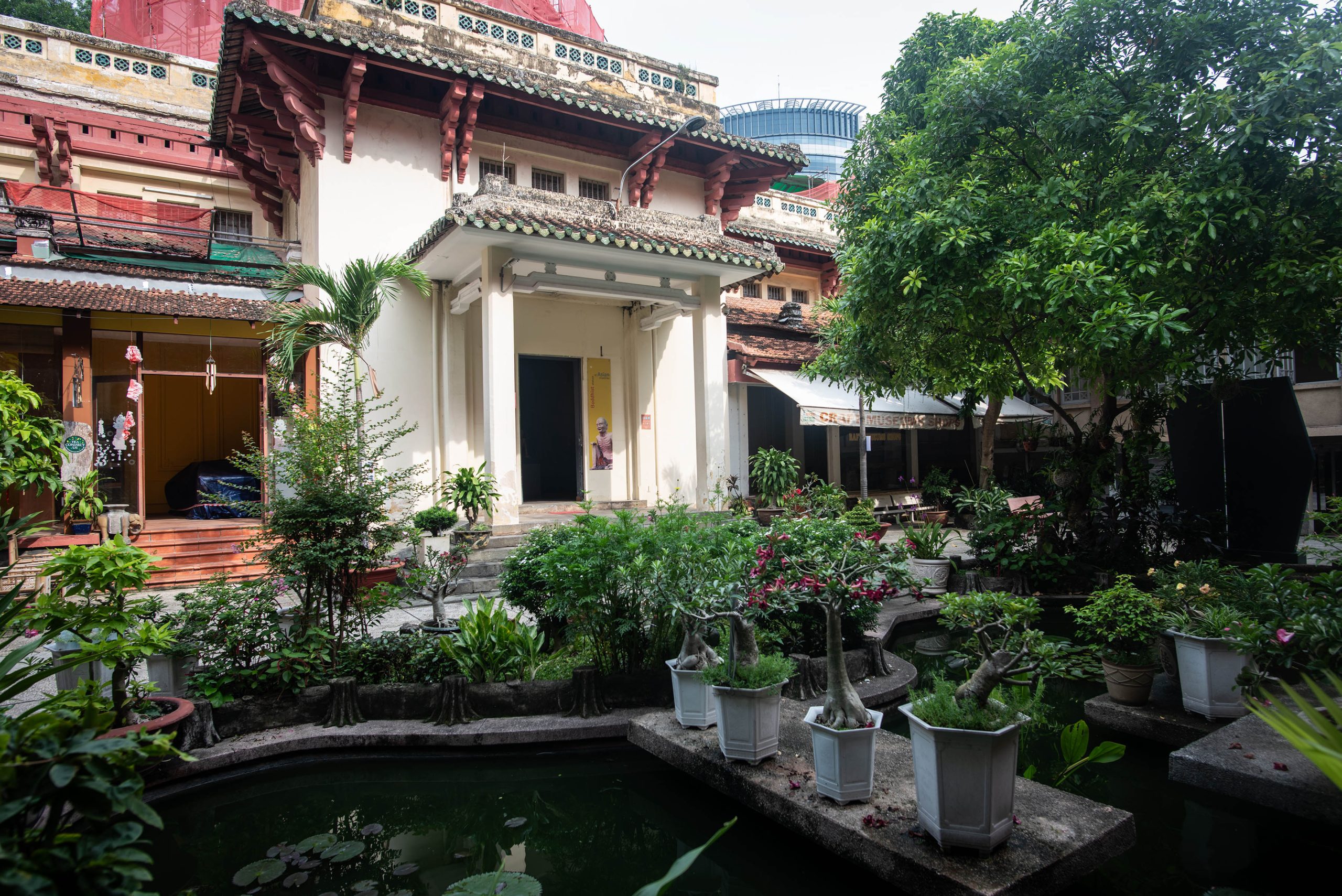
The building exemplifies Sino-French architecture, featuring a distinctive yellow ochre exterior with green-tiled roofing typical of French colonial structures in Indochina. The museum complex spreads across 3 hectares of land and includes the main exhibition building, auxiliary structures, and a peaceful garden setting.
The double-tiered, pagoda-style roof incorporates both Asian and European architectural elements, with ornate dragon motifs and curved eaves characteristic of traditional Vietnamese design.
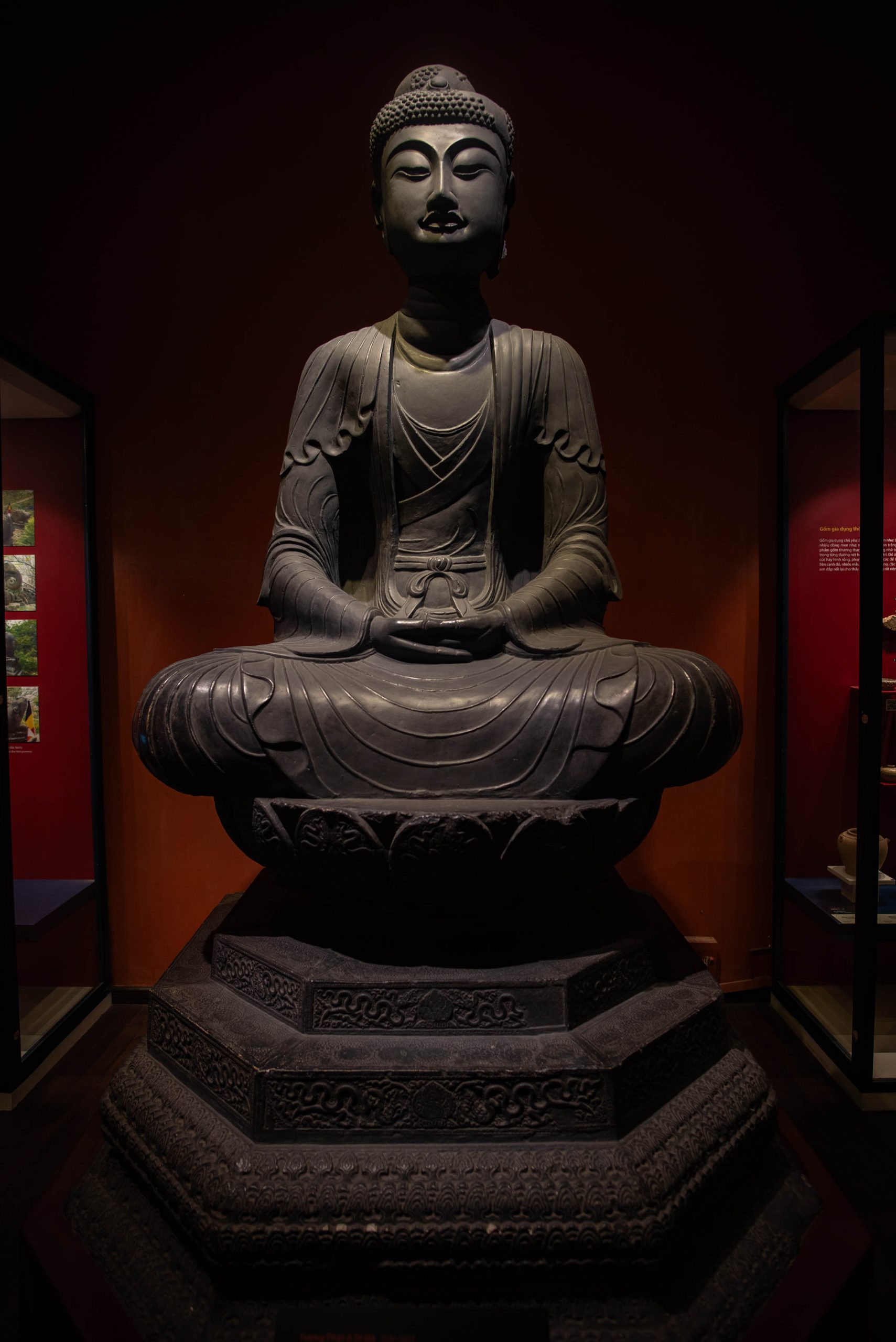
Inside, the museum spans two floors and houses over 40,000 artifacts arranged chronologically across 18 exhibition rooms. The ground floor covers Vietnam’s prehistory through the 17th century, while the upper level focuses on more recent historical periods. Notable collections include Bronze Age artifacts from the Dong Son civilization, featuring the iconic bronze drums, ceramic works from various dynasties, and religious sculptures representing Hindu-Buddhist influences in ancient Champa and Dai Viet kingdoms.
A distinguishing feature is the theater that regularly presents traditional water puppet shows, a unique Vietnamese art form. The puppet stage is set over a pool of water, with performances narrating folk tales and historical events. This theater, added in 1956, serves as both entertainment and a living museum piece.
The surrounding gardens contain various historical stone sculptures, stelae, and architectural fragments from different periods of Vietnamese history. A notable outdoor exhibit is the collection of funerary jars from the Central Highlands, traditionally used by ethnic minority groups for burial ceremonies.
The museum’s interior architecture features high ceilings, large windows, and traditional Vietnamese decorative elements. The exhibition halls are arranged in a logical flow, with each room opening into the next, creating a chronological journey through Vietnam’s history.
Original terrazzo floors, wooden staircases, and period light fixtures maintain the building’s historical character. A significant architectural highlight is the central courtyard, which provides natural lighting and ventilation while serving as a passageway between different exhibition areas. The courtyard’s design incorporates traditional elements such as ornamental plants and stone benches, creating a contemplative space that connects the museum’s various wings.
The museum complex also includes a research library housing thousands of books and documents related to Vietnamese history, making it a valuable resource for scholars and researchers. A conservation laboratory for artifact preservation and restoration operates on-site, though this area isn’t open to the public.
Hours of Operation: Tuesday to Sunday: 8:00 AM to 5:00 PM Closed on Mondays Water puppet shows are typically performed at 9:30 AM and 2:30 PM on Friday and Sunday
The museum’s gift shop, located near the entrance, offers replicas of artifacts, books, and traditional crafts. A small café in the garden provides refreshments and a peaceful spot to reflect on the exhibits.
Photography is permitted throughout most of the museum for an additional fee, though flash photography is prohibited in certain areas to protect sensitive artifacts. The lighting conditions vary throughout the day, with morning light being particularly favorable for capturing the building’s exterior architecture and garden features.