The Saigon Central Post Office stands as one of Ho Chi Minh City‘s most iconic landmarks at 2 Công xã Paris, District 1. Operating daily from 7:00 AM to 7:00 PM, this historic building remains both a functioning post office and a major tourist attraction.
Constructed between 1886 and 1891 during French colonial rule, the building was designed by renowned French architect Marie-Alfred Foulhoux, though it’s often incorrectly attributed to Gustave Eiffel. The structure represents a remarkable example of French colonial architecture, blending European and Asian design elements.
The exterior features a striking yellow façade that stretches 60 meters in length, adorned with elegant arched windows trimmed in cream. The building’s front entrance showcases a large clock face centered above the main doorway, while two smaller winged messenger statues flank the roof. The symmetrical design incorporates classical columns, intricate decorative details, and geometric patterns typical of late 19th-century European architecture.
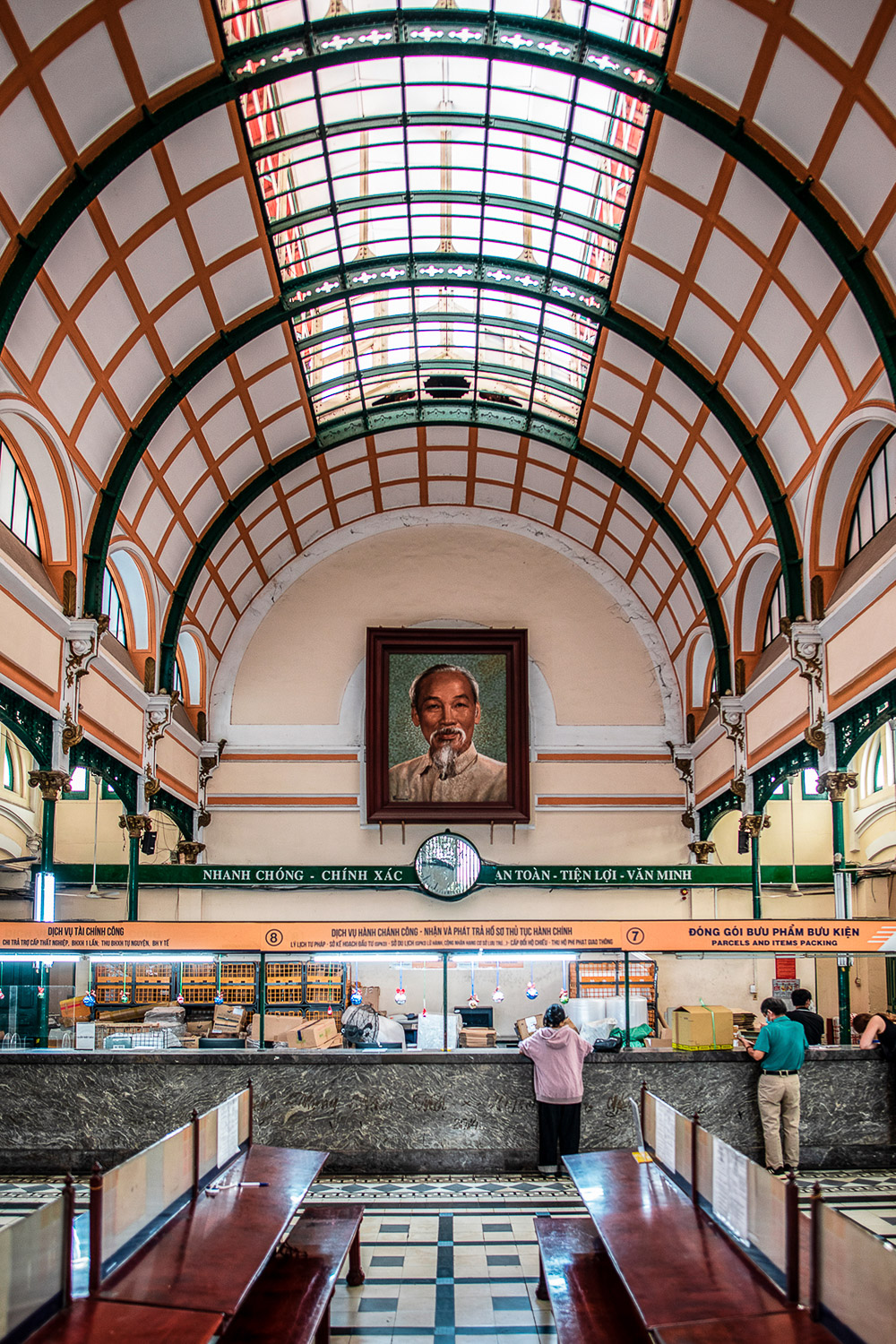
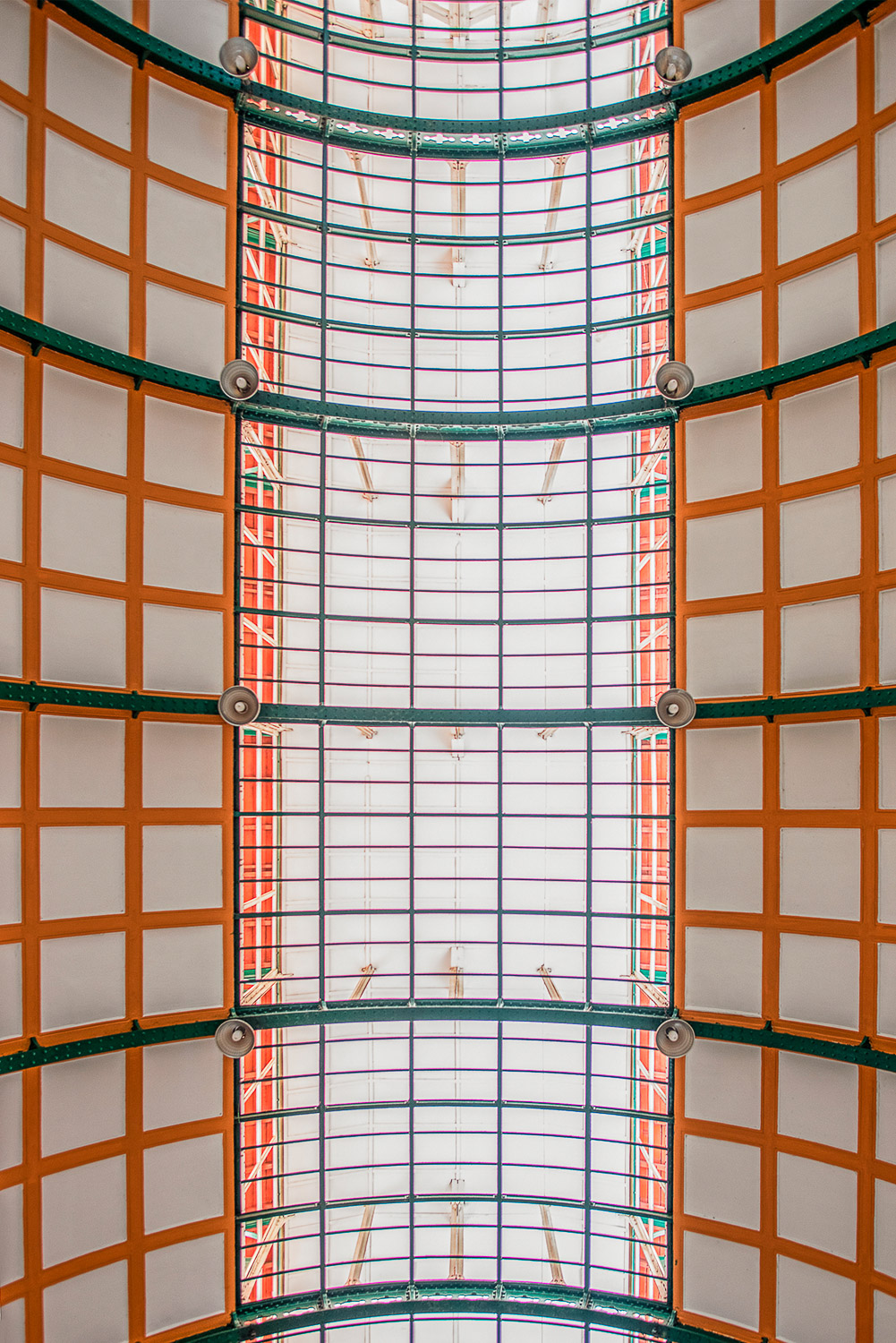
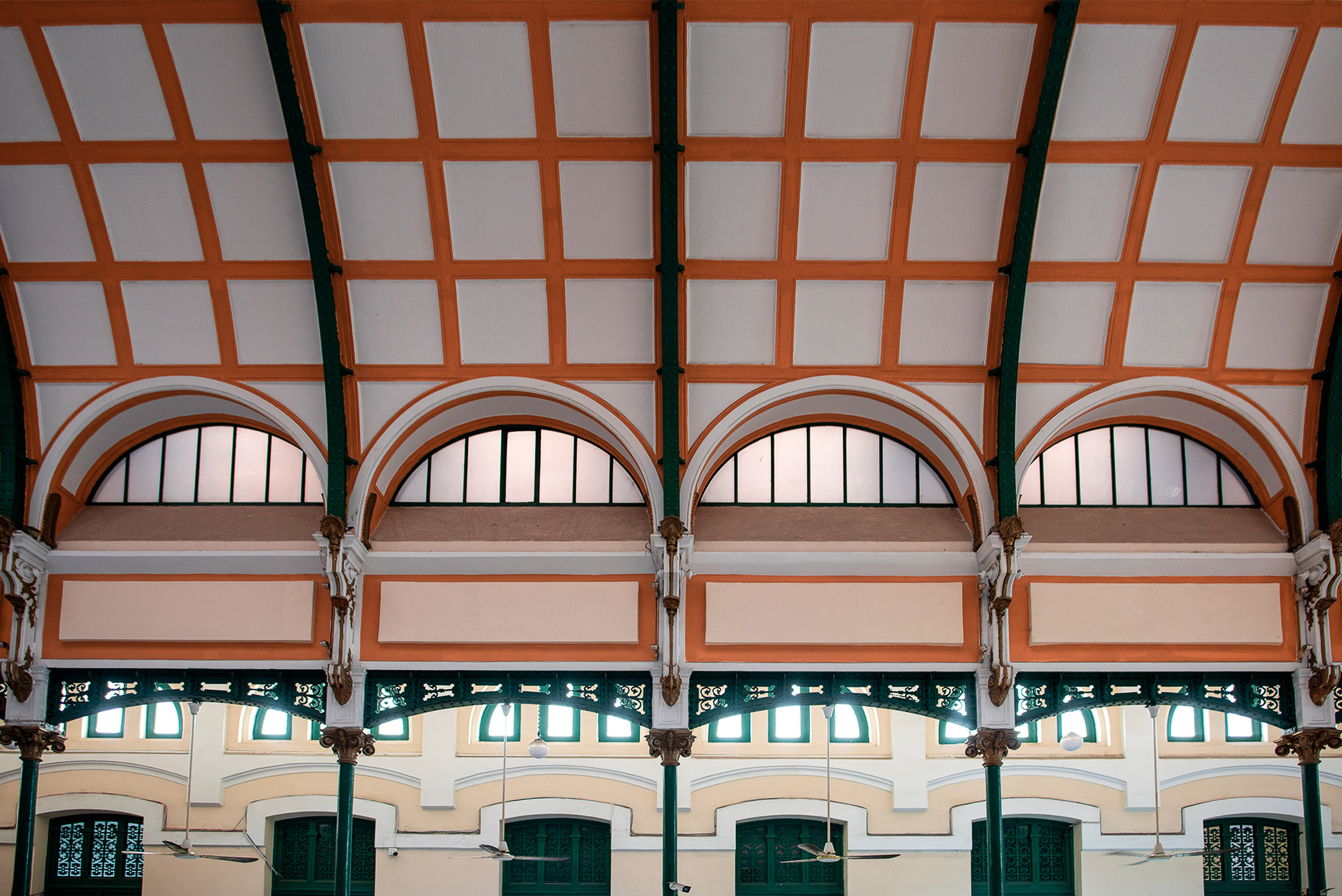
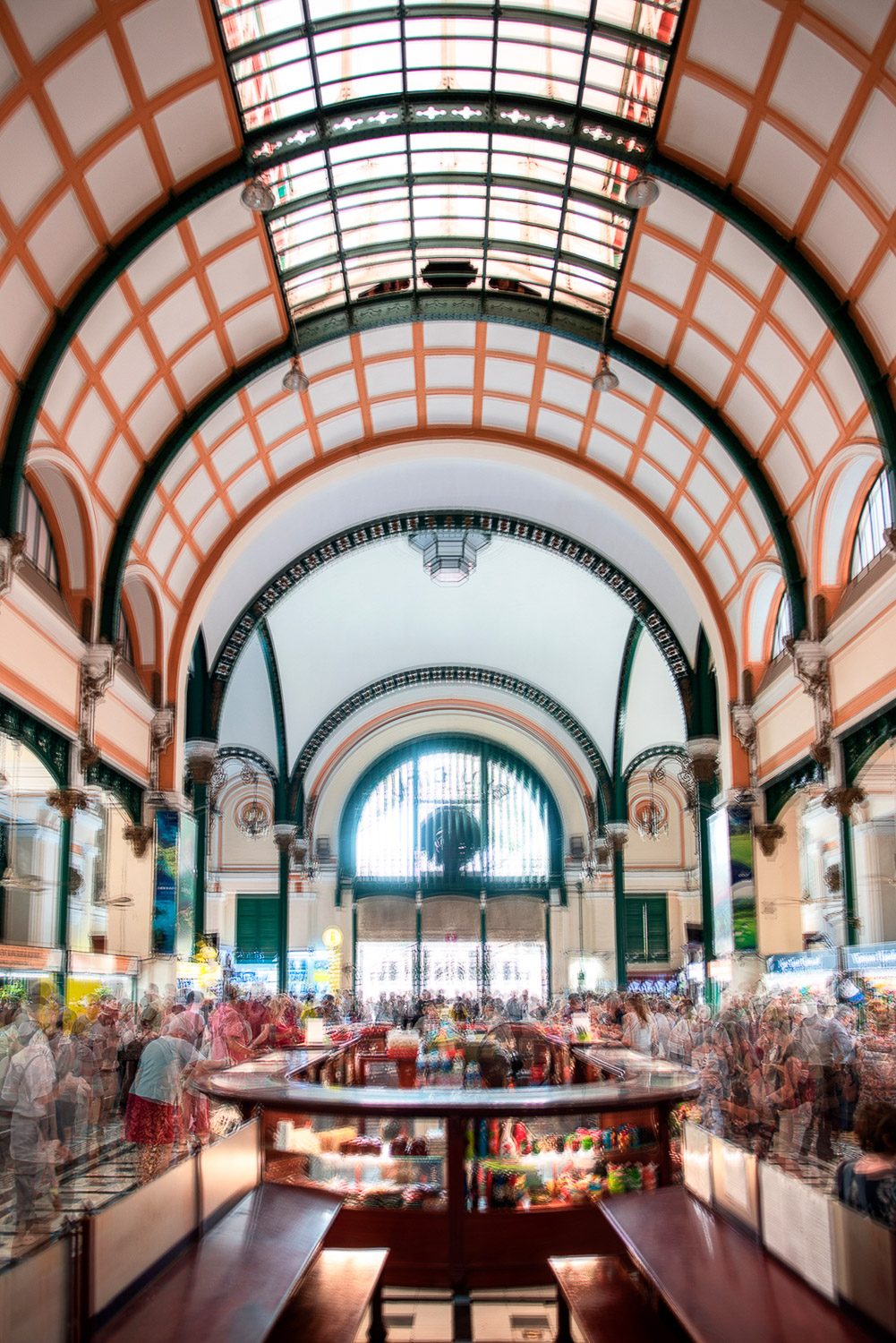
Inside, the vaulted ceiling spans the entire length of the main hall, supported by steel beams painted in an emerald green color. The ceiling’s elaborate framework creates a sense of magnificence while providing natural ventilation in Ho Chi Minh City’s tropical climate. Large windows allow abundant natural light to flood the interior, illuminating the detailed tilework on the floor and the painted maps on the walls.
Two historic maps painted on the walls date from the 1930s: one depicts the telegraph lines of South Vietnam and Cambodia, while the other shows a map of Saigon and its surroundings. These maps serve as testimony to the building’s important role in communication during the colonial period.
The main hall features original wooden telephone booths along the walls, crafted from dark wood with intricate carvings. Though no longer functional for their original purpose, these booths remain preserved as historical artifacts. Traditional brass post office boxes, numbered and decorated with brass finishes, line one wall, many still in active use today.
At the far end of the hall, a massive portrait of Ho Chi Minh overlooks the space. Below it, a row of counters continues to serve customers for postal services, while souvenir shops occupy other sections of the building. The original wooden counters feature brass details and period-appropriate fixtures.
The building’s architectural details include Gothic arches, decorative ceiling fans, and elaborate iron grillwork. The floor consists of original terra cotta tiles arranged in a complex geometric pattern, while the walls showcase decorative moldings and pilasters that emphasize the building’s height.
A notable feature is the building’s old-world ambiance, enhanced by vintage furniture including wooden benches for visitors and traditional writing desks where visitors can pen letters or postcards. These desks include small stools and areas for writing materials, maintaining their original early 20th-century appearance.
The post office’s exterior grounds feature small gardens and benches, providing a pleasant space for visitors to rest and photograph the building’s façade. The building’s location directly across from Notre-Dame Cathedral Basilica of Saigon creates an impressive architectural ensemble that draws photographers and tourists throughout the day.
Despite its age, the building has been well-maintained, with periodic restorations preserving its original features while adapting to modern postal service needs. The most recent restoration work focused on preserving the original paint colors, repairing decorative elements, and maintaining the building’s structural integrity while respecting its historical significance.
The Saigon Central Post Office represents not only a functioning postal facility but also serves as a museum of sorts, offering visitors a glimpse into Vietnam’s colonial past while maintaining its relevance in the present day.